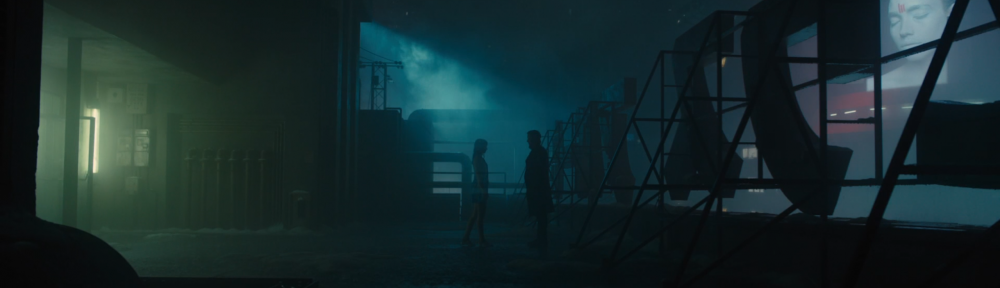
Ingmar Bergman

Meg Condie 


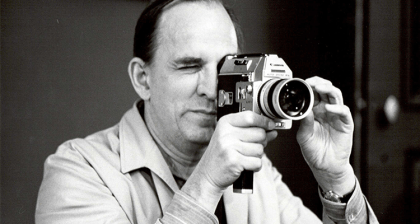
Ingmar-BergmanIngmar Bergman was a Swedish Writer and Director, who made about 50 films over the course of more than 40 years. Bergman focused on two main themes in his work- the relationship between men and women, and the relationship between man and religion, or more specifically, the image of god and man’s battle with God. He was the first filmmaker to bring existentialism, religion, and death to the screen. In his work, you can find many themes of Bergman’s own life, and in these films the minds of both the characters and the viewers are constantly seeking, and constantly surprised or puzzled by their findings. Much like in his own life, in his films he dealt with pain, tormentation, love, evil, and religion. His characters are often seen as being prisoners of their own minds, ideas, or desires. These existential, soul searching films make up the richest and most intriguing group of films in cinema history.

  Bergman created an extensive body of work, which to many people, proved him to have brought a new seriousness to the way films were made and viewed in the 1950’s. He made his way to the film scene on an international scale in the 1950’s with four films which signified the turn of his career. These four films, “Smiles of a Summer Night,” “The Seventh Seal,” “Wild Strawberries” and “The Magician” all bear pieces of bergman’s life, his thoughts, his guilts; they each have been metaphorically stamped with the style in which Bergman created. He himself even would often admit that his work was autobiographical, however it was “in the way a dream transforms experience and emotions all the time.” These aspects are most apparent in two of my favorite Bergman films which re routed his career “Smiles of a Summer Night” and “Wild Strawberries”

“Smiles of a Summer Night” (1955) was a film which touched upon ideas of desire, guilt,
and adultery. Unusual for Bergman, it falls under the “comedy” genre. There’s a big love circle in the film essentially; a middle-aged lawyer in Sweden (Frederick Egermen) is in a two year marriage with a nineteen year old girl (Anne) The two have yet to consummateUnknown-2 their marriage, and Anne finds herself being drawn towards Frederick’s son (Henrick, also a young virgin) however, Henrick finds himself interested in the maid (Petra) making awkward flirtatious passes at her on
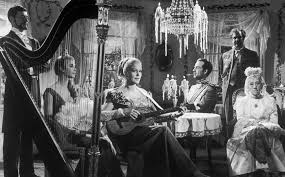
his mission to lose his virginity. Then we meet Desiree, a past lover of Frederick, who is having an affair with another married man (Count Carl-Magnus Malcolm). The Count’s wife (Countess Charlotte Malcolm) whom by permission of her husband can have affairs as she pleases, and who happens to be a friend of Anne’s. This group of people spend a night together at Desiree’s mother’s house, and throughout this night the characters experience an array of interactions and emotions with one another, causing them to feel the need to look within themselves to find answers about desires, morals, and guilt. The theme of adultery is pulled directly from Bergman’s life; Adultery was the great subject of many of Ingmar Bergman’s films as he was married five separate times, having had affairs throughout each of his marriages, often with the actresses he was working with. The guilt within himself may be shown when one line in the film reads “Men are horrible, vain and conceited. They have hair all over their bodies.”  He experienced immense guilt surrounding his infidelities, which he worked into many of his films. The photography of “Smiles of a Summer Night” was done by Gunnar Fischer, who was, along with Sven Nykvist, one of the cinematographers that Bergman almost always used. This was another aspect that made his films distinguishable from any other filmmakers of the time. 

Bergman’s “Wild Strawberries” (1957) follows the travels of an elderly medical scientist (Isak Borg) as he is on his way from Stockholm to Lund to accept an honorable doctorate. The film opens with a dream sequence that has acquired a great deal of fame and been referenced often since it was produced. In the scene, Isak  arrives at a house with bUnknownoarded up windows in Stockholm. He sees a clock with no hands and an old hearse approaching, as one of the wheels of the hearse hits  lamppost and a coffin falls out. The outstretched hand of the corpse from inside the coffin tries to pull Isak inside. This scene is a perfect example of how many of  Bergman’s films have the viewers constantly puzzled. He travels with his daughter-in-law, and on this 400 mile journey, Isak remembers different parts of his past, shown in flashback sequences, such as the girl he loved at a young age who ended up marrying his brother. Isak is brought to the attention of his own wrongdoings throughout his life, leading up to my favorite scene in the movie, where Isak has reached his destination to accept his doctorate, but is instead is found at some sort of trial. He is told “You have been found guilty of guilt”. Isak is full of guilt that is caused from his life long tendencies of self indulgence Unknown-1and bitterness, which Bergman wrote to comment on parts of own life, specifically pertaining to his father as he once stated “I had created a figure who, on the outside, looked like my father but was me, through and through”. Bergman’s father was a priest, and has proven to have a large enough effect on Bergman to inevitably influence many of his films like “Wild Strawberries”, which has extensive religious connotations bringing up ideas of death, repentance, and the way in which God shows himself. 
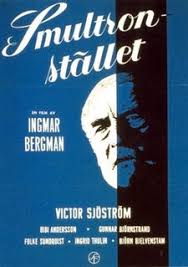
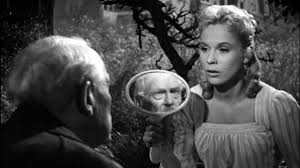
Bergman, now past away, continues to carry his reputation of being on of the most influential filmmakers from his time, and possibly throughout cinema history. The way that he wrote his own life and thoughts into his films through portraying ideas of love, pain, desires, guilt, and religion is something that still influences filmmakers today. Bergman explored the human condition, and on this exploration found bleakness and despair, as well as touches of comedy and hope. 


Kelly Reichardt and the Boundaries of the American Dream

American filmmaker Kelly Reichardt has been active in independent filmmaking since 1994 and centralizes her films on socioeconomically unstable protagonists. Her filmography includes a total of six feature films, the majority of which she is also the editor and screenwriter. In River of Grass, Cozy abandons her father and three children after believing that she and her partner Lee killed a man. In Old Joy, Mark and Kurt are estranged friends belonging to the working class, and in Wendy and Lucy, Wendy attempts to drive from Indiana to Alaska for new opportunities. Throughout these three films, Reichardt’s idiosyncratic filmmaking proves that she is an auteur by exploring the boundaries of the American Dream.

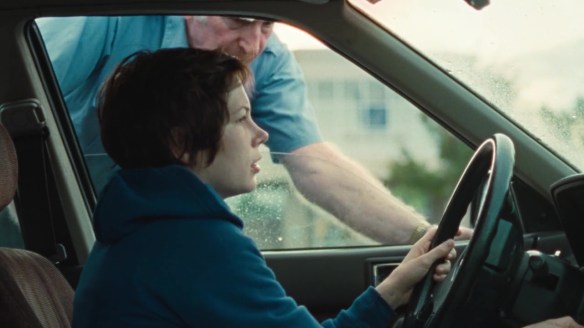
An identifying feature in a Reichardt narrative includes a meticulous character study, often focused on a short period of time. In Wendy and Lucy, the inciting incident occurs when Wendy arrives in a rural town in Oregon and sleeps in a Walgreen’s parking lot. When she wakes up in the morning, a security guard forces her to move her car, but she discovers that the engine will not start. From thereon, Wendy faces several financial struggles that eat into her insufficient budget of $525.00.

MV5BZjZmZmRhMWUtOWZlZC00NjI5LWIzNzUtMzgxMjk4OTVkMWY2XkEyXkFqcGdeQXVyNDE5MTU2MDE@._V1_

The cinematography’s tight focus on Wendy in this shot reflects the relationship between Reichardt’s cinematography and narrative. The medium close up shows Wendy attempting to turn on her engine. Framed above her, the security guard watches her. Although the shot is eye-level to Wendy, it comparatively shows the security guard from a low angle shot, emphasizing his authority over Wendy. Through this example, we see Reichardt’s cinematography and narrative working in tandem to intensify the plights of her protagonists. Much of the cinematography in a Reichardt film is dedicated to closeups in order to build an intimate relationship with her audience.

MV5BMDE4YTc5ZTktNzA1MC00ZTQ1LTg1OGMtYzFkYjYzOGEzMDVmXkEyXkFqcGdeQXVyOTc5MDI5NjE@._V1_

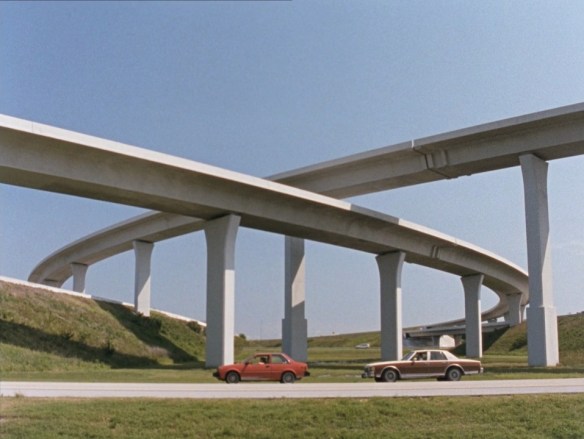
Reichardt’s protagonists have a limited sense of direction and are often filled with uncertainty for the future. In River of Grass, Cozy’s ennui with life is reflected symbolically when she is stopped by a policeman. This wide shot shows us two ramps intersecting in opposite directions; Reichardt manipulates the symbol of the open road to emotionally resonate with Cozy and the audience. The shot also shows us that Cozy faces a mental crossroads; she has the choice to live her married life or leave it all behind for the unknown. American culture believes in the ability to reinvent oneself, and Reichardt presents this ability to change as a pivotal life decision.

Reichardt considers herself to be a classical filmmaker. In an interview with Jose Solís, she comments that her filmography is incomparable to documentaries: “I don’t shoot like a documentary filmmaker. I’m a very traditional formalist. The idea of letting the camera just follow the action is not really what I do” (“Reichardt on Nature, Politics”). Reichardt films her actors from a fly-on-the-wall perspective. Her films consist of simple pans, closeups, and static shots. Watch, for example, this clip from Old Joy.

Reichardt’s editing is unobtrusive and preserves continuity. Despite her films’ focus on everyday American people, their lives are presented in a candid and pensive perspective. To further this point, Reichardt always shoots on location to preserve realism. When the camera strays away from her protagonists, Reichardt dedicates her shots to the American landscape. In Old Joy, much of the film is dedicated to capturing the beauty of the Oregon Cascade Mountains through Mark and Curt’s road trip. Reichardt’s ability to edit her own films allow these long sequences to be permissible.

Lastly, the need for compassion toward one another is a recurring theme within Reichardt’s films. In an interview, she rhetorically asks herself and the audience, “What is our responsibility to each other as strangers?” Wendy’s struggles become increasingly dire in Wendy and Lucy after she loses her dog and cannot leave town.

In this scene, the same security guard from the beginning of the film lets Wendy borrow his cell phone to call the pound. Wendy has been arrested for a petty theft and lost Lucy while she was in jail. Reichardt shows compassion in the security guard by allowing Wendy to use his phone: “No one uses a payphone anymore; come on” (“Security Guard”). Reichardt’s films contain small acts of kindness, but they are never presented sentimentally. The lack of sentimentality in her films, in turn, emphasize Reichardt’s need to present the lives of everyday Americans with little glamor and mediation.

Kelly Reichardt fits the definition of a modern-day auteur due to her distinctive plots and filming style. Because Reichardt works independently, she has always had full control over the editing and filming of her works. Reichardt focuses her films on less explored regional settings, such as rural Oregon in Old Joy and Wendy and Lucy and the Everglades in River of Grass, showing her compassion for Americans in socio-economically depressed areas. Although Reichardt reveals the American dream to be limited through its requirement of financial stability, she is never pessimistic. Her films contain understated hope and compassion through minor characters, and Reichardt implores us to reconsider how we treat strangers. Her films end without conventional climaxes, and we are left to wonder what will become of these characters, like the very strangers we meet in real life.

MV5BMjZkZjA3MjctM2YxZS00ZTQ3LTlhYjMtN2M4ODQ1ODlmYTVlXkEyXkFqcGdeQXVyOTc5MDI5NjE@._V1_

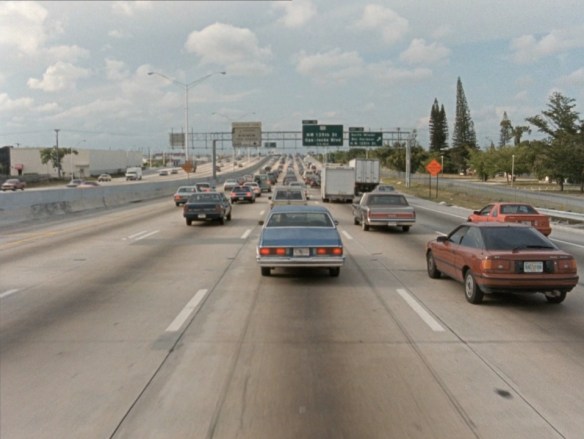
Final shot of River of Grass. Cozy leaves Florida alone, surrounded by cars filled with strangers.

Works Cited:

Jose Solís. “Kelly Reichardt on Nature, Politics, and What She’d Change About Documentary Filmmaking”:

https://thefilmstage.com/features/kelly-reichardt-on-nature-politics-and-what-shed-change-about-documentary-filmmaking/

Old Joy Trailer:

https://www.youtube.com/watch?v=2bf8GqDcx0M&frags=pl%2Cwn

River of Grass Trailer:

https://www.youtube.com/watch?v=K9QrvLd2pbY&frags=pl%2Cwn

Wendy and Lucy Trailer:

https://www.youtube.com/watch?v=pASs3rerRCY&frags=pl%2Cwn


David Lynch

Auteur theory is a theory that looks at directors as the main creative force behind a film. This is because the director is able to directly control as many elements as possible, like, camera angle, lighting, blocking, and scene length. The theory relies on the acceptance that these elements convey the message of the film more than the plot of the movie itself. The director is then considered the author of the film because they oversee all of the audio and video aspects. David Lynch is a prime example for applying auteur theory because his films have consistent themes, imagery, and actors. Above all he holds takes great care in the films he makes as he is usually the writer, producer, and director of his movies. 


0gh2Zpo86tKPrQlnJ-1280x720

isabella-rossellini-in-blue-velvet-2-1024x684

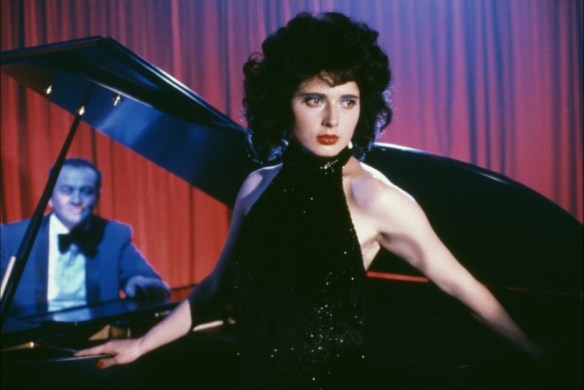
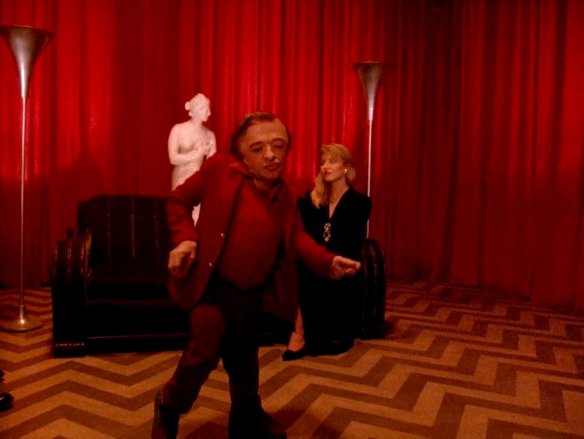
David Lynch seems to focus on two main themes in his work, that is, parallel worlds and biology. Parallel worlds is a theme that is explored in Eraserhead, Blue Velvet, Twin Peaks, and most of his other work. Eraserhead explores the area behind the radiator as a parallel universe accessed via a dream. Blue Velvet’s main conflict arises in the nightclub, the Slow Club,  where Dorthy Vallens is a lunge singer. This space acts as the dream like parallel world in Blue Velvet and it is where Jeffrey Beaumont makes most of his basic discoveries about Dorthy and Frank Booth, Dorthy’s abuser. The town as a whole is also a sort of parallel world where during the day it is the perfect small town America but at night then the darkness really descends on the town. Twin Peaks parallel dream world is the Black Lodge where Bill lives. The Black Lodge is available to Cooper and Laura through dreams and eventually through a more physical and mental transportation. 


baby

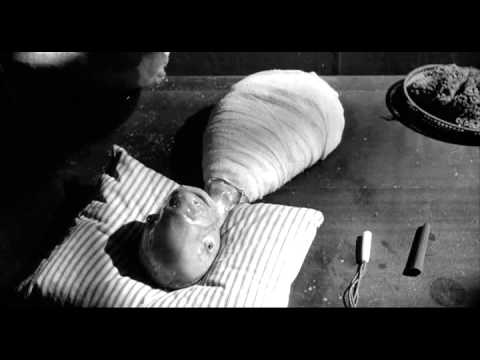
Biology is another dominant theme in Lynch’s work. In Eraserhead Lynch manages to make every worm like creature resemble either a sperm or an umbilical cord. Blue Velvet shows sex in a way that is problematic, distasteful, and animalistic. The majoirty of the sex scenes are rape or not expicilty consentual.  Eraserhead shows sex in a way that is deglorified with the depiction of his baby. There is also a fascination with deformities that Lynch exhibits.  The Elephant Man is an obvious display of his obsession with biology and a morph of the “usual” biology. Twin Peaks has its fair share of biological oddities with the inclusion of the One Armed Man and the giant. 

peaks

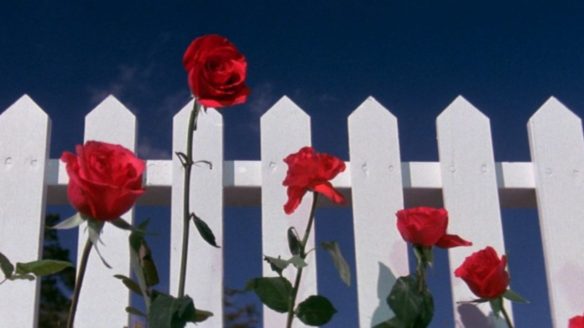
The mise-en-scene and imagery that is employed in many of his films is consistent. Lynch  went to school for art and this has had an everlasting effect in him as a director. In Blue Velvet the lightning goes from high-key to low-key as the time of day changes. When Jeffrey Beaumont is walking through the neighborhood he is surrounded by bright flowers and high-key lighting. However, when he is involved in any scene with Dorthy or Frank there is a shift to a grimey low-key lighting. It symbolizes a theme in Blue Velvet about things not appearing as they are, how a town so familiar can seem so perfect and then one day you find an ear in the yard and are pulled into a wave of crime. Twin Peaks thrives on a mix of nostalgia and crime. The nostalgic effect comes from the use of 50’s style living. An example of this is the RR Diner or Big Ed’s Gas Station. These backdrops start to create a depiction similar to the 50’s where everything was “easier” and “better”,  this allows Lynch to explore his darker themes. The mise-en-scene is used to create the myth of small town America, a place where everything is ideal and nothing bad happens. Eraserhead takes place in some sort of post-apocalyptic or dreamlike world. This effect is achieved by the mise-en-scene of the film. Everything that should be seen as happy like meeting potentially new family members, eating supper, or having a child is twisted and distorted by Lynch. He uses low-key lighting to make the viewer feel as stuck and pressured as Henry himself does. 

David Lynch is clearly an accomplished director, writer, and producer, and it’s also quite clear that he has put his own distinct style into each film that he has made. Lynch is so well known that the term Lynchian is now used to describe his style. David Foster Wallace puts it best “An academic definition of Lynchian might be that the term ‘refers to a particular kind of irony where the very macabre and the very mundane combine in such a way as to reveal the former’s perpetual containment within the latter’. But like post-modern and pornographic, Lynchian is one of those words that’s ultimately definable only ostensibly – i.e., we know it when we see it” Lynch transcend genre and that is part of the Lynchian thought, this makes David Lynch a true “auteur”

Quentin F*cking Tarantino

The idea that the director is the sole creator of the finished film product is the basis of auteur theory. It is the idea that, if you were to sit down and watch a movie, you would be able to discern through the style of the film who the director is without reading it in the opening credit scene. An excellent example of an overpowering, obvious style is that of Quentin Tarantino; whose discernible style of directing is defined by gratuitous violence, absurd and usually hilarious situations, zoom-in shots, jump cuts, reoccurring actors, and the unusual way he organizes his story structure. The Tarantino films I will be referencing include Pulp Fiction (1994), Inglorious Basterds (2009), and The Hateful Eight (2015).

55 (782)

Violence, and the way Tarantino films it, is a hallmark of his overall style and one of the most distinguishable characteristics of his movies. Particularly, The Gold Watch act of Pulp Fiction is a prime example of both the type of over-the-top violence he uses, as well as his use of absurd situations in his storytelling. The section of The Gold Watch act I wish to highlight occurs after Butch, the boxer, stops his car at a crosswalk just as Marsellus Wallace, the gangster boss Butch just conned, happens to walk right in front of Butch’s car. They make eye contact and Butch drives his car through the crosswalk, injuring Marsellus and getting into a car accident. The chase that ensues shows a disoriented, injured Marsellus firing off shots and chasing Butch until the two end up in a pawn shop and are ultimately kidnapped by two rapists. Butch manages to free himself from his binds as Marsellus is raped in the backroom, suspense builds as Butch goes through weapons found in the shop until he lands on a katana. Butch uses the katana to free Marsellus from the rapists and the two agree to end their quarrel. The sheer odds of the circumstances the characters are placed under in this act are ridiculous. Not only did Butch happen to run into Marsellus of all people in a city as large as Los Angeles, but the store they happen to stumble into is a front for a rape dungeon. The ridiculousness continues in the action scene where Butch slashes the cuckold rapist across the chest with the katana, continues walking and then stabs him through the abdomen without removing his gaze from the cop rapist, Zed. His use of ludicrous plot points is a device seen frequently throughout his films and has become an indicator of a Tarantino film.

Another signature element of Tarantino’s style is illustrated prominently in the bar scene in Inglorious Basterds, as it is a great example of the quick zoom in’s and jump cuts he employs in a number of his action scenes. When three allied spies posing as Nazi officers have their cover blown and are confronted by Gestapo the following shootout lasts around 20 seconds. Tarantino’s use of jump cuts and zoom in’s make the scene feel even faster, and being able to clearly see the facial expressions as they are either being blown away or spraying bullets make the scene all the more intense. The amount of violence in this scene alone qualifies the movie for a restricted rating, not even considering the scalping scenes.

It is fair to say that a Tarantino film is not a Tarantino film without the presence of at least one of his preferred actors. He casts for type in a serious way, one only has to watch a few of his films to assume that, as he was writing the movie, he wrote Samuel L. Jackson’s characters with Samuel L. Jackson in mind. The actor appears in nearly every one of Tarantino’s films, and typically plays the role of a gangster or outlaw. Other great examples of QT’s preferred actors include Uma Thurman as a strong female lead and Brad Pitt as a leading man.

50 (532)

One of the more unique Tarantino stamps in his films is the atypical structuring of his stories. He takes the classical Hollywood narrative and scrambles it, prominently seen in films like Pulp Fiction and The Hateful Eight. Broken up into different acts, the arrangement of the plot is nonlinear, and he often likes to show certain events in his films through multiple perspectives. For example, in Pulp Fiction, the opening act of the film and the final act of the film occur at the same time, with the last chronological event occurring sometime in the middle of the movie. True to his signature style, the first act follows different characters than the final act at the same time in the diner, with the two groups meeting sometime into “Epilogue – The Diner”.

HatefulEight42

Quentin Tarantino is an obvious and easily analyzable example of an auteur. His style has so many repeatably noticeable qualities such as his unique story structure, preferred actors, excessive violence, and preposterous plot points that his films cannot escape his name. Tarantino is truly a director that pisses all over his films, he knows how to leave his mark.

Image result for jackie brown feet scene

Godard, more like God Art

The auteur theory arose in France in the late 1940s, fathered by the cinematic theories of Alexandre Astruc and André Bazin, and advanced by Bazin’s Cahiers du cinéma. The theory credits the director as the chief creative force of a film, much like the author of a book. Jean-Luc Godard, an icon of the French New Wave movement and theoretician of Cahiers du cinéma, is the poster-child of the auteur theory.

Godard’s films are drenched in a discernable style⁠—his signature is plastered all over his films. To demonstrate Godard’s embodiment of the auteur theory, I will refer to four of Godard’s films.

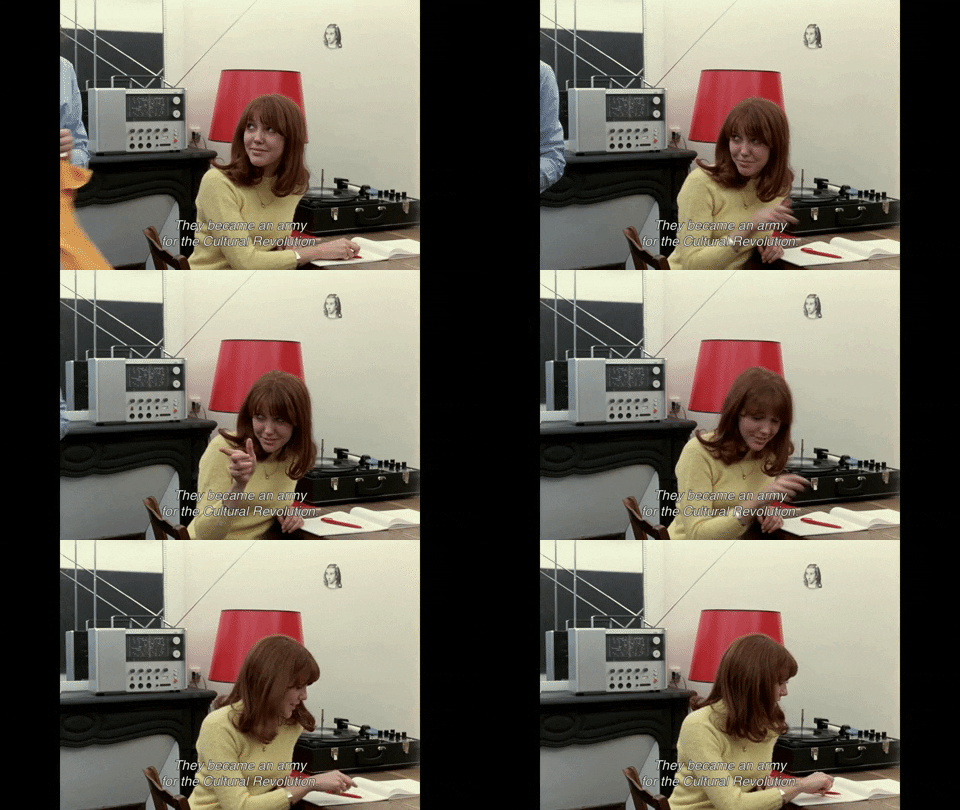
Godard’s mise-en-scene and highly-stylized use of color is an integral element to his cinematic style, despite Breathless (1960) being in black-and-white. Godard was one of the first directors, if not the first, to use color as a stylistic tool rather than a technological appeal. Throughout the majority of his films—namely Pierrot le Fou, La Chinoise, and Made in U.S.A—there is a reoccurring use of primary colors that are impossible for a viewer to miss. The blues, reds, and yellows jump out at you and scream style and French New Wave. The use of these colors is one of Godard’s greatest signatures and is very indicative of his style.

A great example of Godard’s artful use of the color palette is the party scene in Pierrot le Fou, where Jean-Paul Belmondo’s character Ferdinand Griffon wanders from room to room at a party. Each individual shot is painted with a singular color that dominates the screen, painting a deconstructed rainbow of blues, reds, yellows, and greens. As we see a disinterested Ferdinand move from room to room, the overwhelming presence and domination of the colors in the shots are a doorway into Ferdinand’s dissociative state—the viewer feels removed from the scene, much like Ferdinand at the party.

Pierrot le Fou – Party Scene

A famous remark made by Godard on his use of color in films emphasizes his prioritization of color in his mise-en-scene. When asked by an interviewer why there was so much blood in Pierrot le Fou, Godard replied, “Not blood, red.”

In an attempt to illustrate Godard’s use of color as a stamp across his films, here are stills taken from Pierrot le Fou, La Chinoise, Une femme est une femme, and Made in U.S.A:

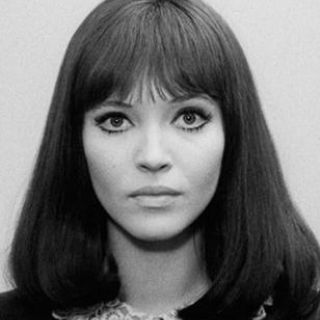
Another one of Godard’s stamps is what later became known as a “Godard Girl.” The Godard Girl was a reoccurring type of female character in Godard’s films⁠—Anna Karina’s character Angela in Une femme est une femme, Anne Wiazemsky’s character Veronique in La Chinoise, Anna Karina’s character Marianne in Pierrot le Fou, and⁠ again (she was, after all, Godard’s muse) Anna Karina’s character Paula in Made in U.S.A.

The Godard Girls famously played female characters with intense onscreen presence. The Godard Girl style later became influential in the fashion world, but that’s not what made them iconic in his films⁠—it was the self-assurance of their characters. In a 1969 interview with Rolling Stone magazine, Godard said about the Godard Girls, “I don’t think you should feel about a film. You should feel about a woman, not a movie. You can’t kiss a movie.”

Anna Karina

A central theme in all of Godard’s films is some form of realism, no matter how absurd this realism might be presented. Godard believed that realism was a crucial part of film-making. He often made his actors improvise scenes. The characters in Godard’s films often reflected his inner-contradictions, and these inner-contradictions are littered in the dialogue of his films.

  • In Pierrot le Fou, Ferdinand says, “Life may be sad, but it’s always beautiful.”
  • In Made in U.S.A, Paula says, “My silence has the same effect on him as my words. My leaving disturbs him as much as my presence. My indifference can be his undoing as much as my involvement. My sometimes rash concern can be fatal to him.”
Shot taken from Pierrot le Fou

Godard’s approach to filmmaking was, in the 1960s, rebellious and revolutionary. No filmmaking rule held him back⁠—he saw one, he broke it. ⁠Godard broke the rules in a Brechtian approach; the interpretation of his films are left in the hands of the viewer. Godard frequently broke the fourth wall to communicate with the audience. He would often leave in the seconds before he called action in a shot. Sometimes, the musical score would be cut at unexpected times. La Chinoise is full of these aforementioned broken rules, more so than Godard’s other films.

A Godard film is not difficult to identify without his title present. His films are snappy, full of adventure and character. Godard’s use of colors may be the easiest way to identify his films—his biggest signature post-Breathless. If not that, his habitual rule-breaking. Godard is an auteur, through and through. There may be an entire team working on a movie, each person with great contributions to a film. But it is Godard’s filmmaking philosophy and risktaking that makes him the author of his cinematic book.

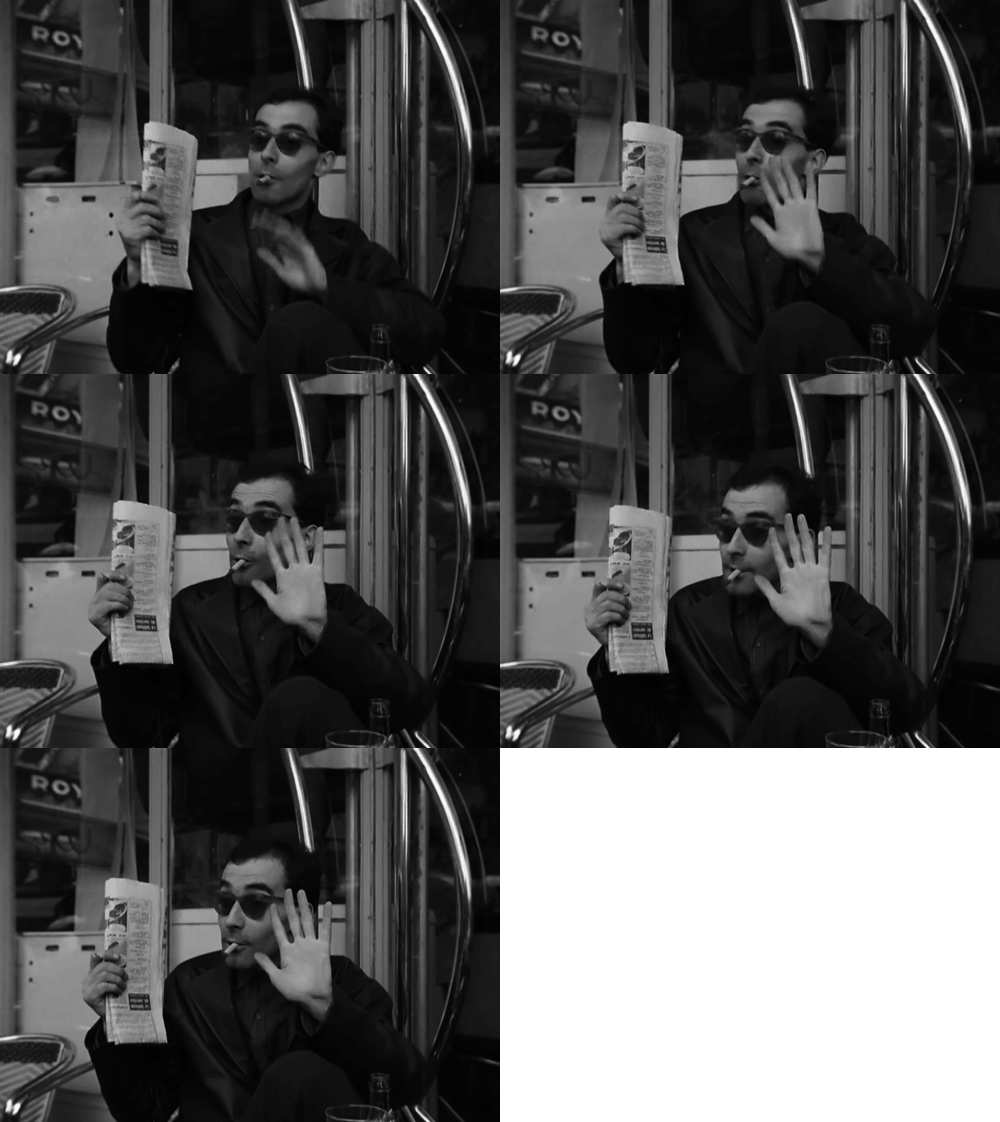
Jean-Luc Godard telling you to give me an A

Sofia Coopola


American screenwriter, director, and producer Sofia Coopola is the only daughter of documentarian Eleanor Neil and filmmaker Francis Ford Coppola– famously known for The Godfather films. Sofia has a brief acting career as a background character as a young girl in her fathers’ movies but quickly faced negative reviews. Sofia holds a creative background, she is a fashion-label owner, and photographer, and her artistic style is carried well throughout her films. With her coming of age drama The Virgin Suicides, Sofia made her first feature-length debut. Throughout her filmmaking career, she has become known for her unique signature within her films which all consist of aesthetically pleasing fashion. It is said that Sofia’s films force viewers to feel an experience instead of just passively watching. Through pastel colors, gestural camera movements, modern soundtracks, and montages of exquisite imagery, a world of mise-en-scene is generated. Sofia often deals with a protagonist in crisis, someone who is trying to understand or fit into a cruel world. Another theme Sofia works with is the idea of the female as an outsider and a youthful rite of passage through lifestyles and rituals. 

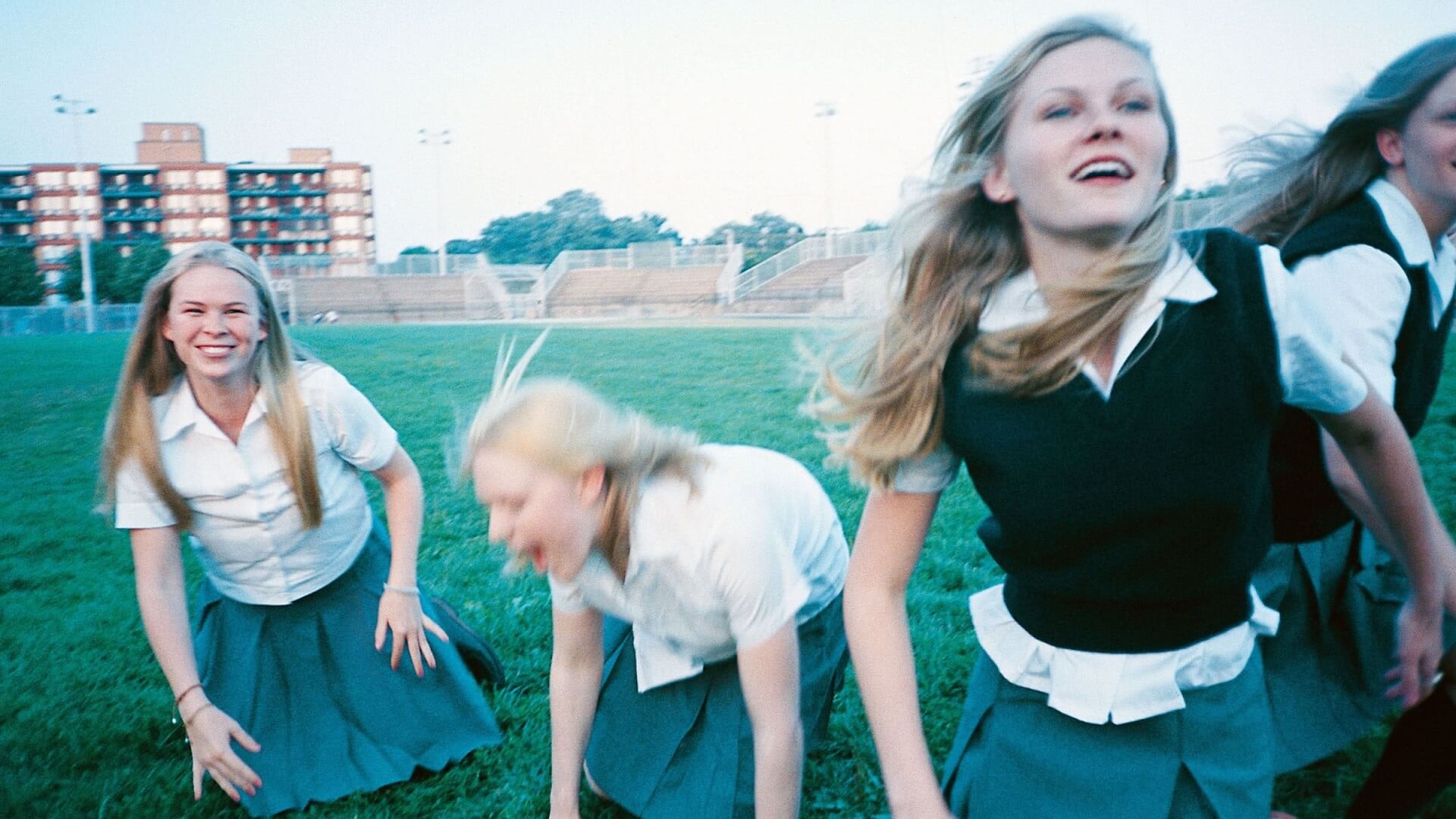
virginsuicides01


  The Virgin Suicides (1999), based on a novel by Jeffrey Eugenide was adapted into a beautiful yet sinister film following the story of five girls, the mysterious Lisbon girls, and the perspective and obsession of them by a group of neighborhood boys. The Lisbon girls adhere to American highschool rituals such as homecoming, parties, first kisses, and the loss of virginity. Spoiler alert; all five girls commit suicide. Elements of mise en scene like the lighting and décor/props of each scene create a definite mood and feel throughout the film. There aren’t any harsh lights or dim lighting- the scenes are average and static. The Lisbon girls are shown as very sheltered, safeguarded by their parents who live uninteresting and boring life, which directly enhances the lighting and décor/props the Sofia chose. Long takes and close up camera shots allow us to see into the character’s lives, assisting a feeling of alienation. One of the Lisbon girls is played by well-known actress Kirsten Dunst. Dunst also appears in Sofia’s film Marie Antoinette. 

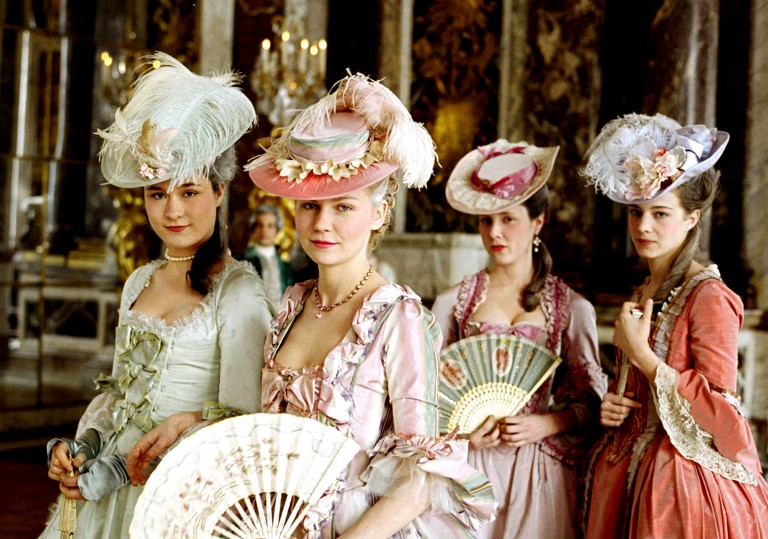
marie-antoinette-review-768x539-c-default.jpg

Marie Antoinette is a film directed by Sofia which focuses on the 18th century infamous last queen of France… Marie Antoinette (played by Kirsten Dunst). This film is yet another of Sofia’s to focus on the female figure. An intense Punk and New Romantic soundtrack is sharply edited to intimate close-ups and point of view shots. One scene in particular exhibits a camera that endlessly and aggressively pans in an attempt to emphasize the gossiping atmosphere of Versailles. Color, costuming and materials depict this story. Many pastels, bright pinks, and blues in its backgrounds were used towards the beginning of the film to show Antoinette’s innocence. However, as time progressed the colors grew darker to show growth and maturity. Another scene uses the setting to show Marie in despair, the camera views her as insignificant as everything around her in the shot is so large. Marie is in constant crisis, she is under intense pressure as a 14-year -old girl at that time. Other themes Sofia tends to explore are along the lines of class, status, and materiality. 

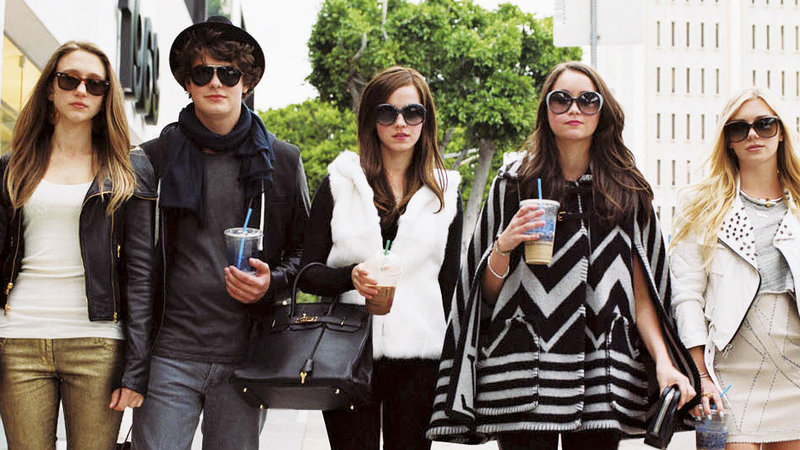
the-bling-ring_rgb_wide-afd500bc70d5ef1139bb5402c55cfc275334f4e9-s800-c85.jpg

More recently, Sofia’s film The Bling Ring is based on true events where a group of fame-obsessed teenagers use the Internet to track the location of celebrities, break into their homes and steal as much as they could. Using fashion, cityscapes, this film focuses on themes of wealth and fame- often a lifestyle that leads to isolation or detachment within characters. The gang of teenagers were able to steal several million dollars in jewelry and clothes which they kept for themselves. None of the characters were content with being wealthy, they desired the lives of the super-rich. There is always someone to envy. The Bling Ring is Similar to Marie Antoinette, with montages combined with close-ups of luxurious items and materiality, with long shots framing pastel-colored, energetic scenes when the teens are trying on expensive clothing. The props and settings of each teenager’s large home their parents bought and maintain often consisted of nothing but large, empty, colorless spaces. This type of decor emphasized a dull and uninteresting existence, which most likely prompted the gang to rob. At the end of the film, each member of the friend group begins to turn on one another. While being interrogated, distance and discomfort is expressed through medium-long shots that emphasize the isolation between the characters.

A Simple Plan

No two movies are the same. They can have similar styles, but every movie is different. That is why movies are categorized into different genres. Every movie ever made falls under some type of genre. Some types of genre include: action, comedy, horror, drama. There are many different genres and many of them have subcategories to go along with them. However, there are films out there that don’t belong to one genre and is possible to argue that it could belong to a completely different one. The film A Simple Plan is one of those films. Though it is labeled as a drama, thriller and crime film it has the qualities to be under another genre, horror.

A Simple Plan is a movie about three people, two brothers and a friend, that stumble upon a crashed airplane. One of them enter the airplane and find a bag of money. They take the money and keep it but, because of how much money they found it makes them all paranoid about one another and this leads to their downfall. 

It may not sound like it but this movie could definitely be considered a horror movie. It is already considered a thriller but thrillers are different from horror films. Thrillers are more on the psychological side where there is more thinking about what will happen next whereas, horror films are more on the bloody and gory side with careless acts of violence. This film has both of these ideas in it. The money in this movie makes it a thriller but the killing in this movie makes it a horror film. The psychological aspect of the movie contributes to the horror aspect because it makes people think that this could happen. This might be the scariest part because if you watch a horror movie that opens with “based on a true story” then thoughts of this happening to you start to go through your head. That’s where the real horror lies, making people think about how this could happen to them.

Another thing that makes horror movies is lighting. The lighting in horror movies is mostly low key through most of the movie. In A Simple Plan there is not as much low key lighting as there are in horror movies. However, the colors in the film are very dull. All of the outfits that they wear through the movie aren’t very bright and none of the colors really pop. The colors are bland and dark. They use colors like black, brown, dark blue and other dark colors. The colors they use contribute to making the film seem darker than it is and these duller colors help to give characters a more ominous effect. An example of this is in the movie Halloween, Michael Myers wears a navy blue jumpsuit and in A Simple Plan they all wear black, navy blue or other dark colors. 

One of the most important parts of any movie, especially horror movies, are theirs scores. The music that goes along with what is happening is important because it helps you to feel more like you are the and experience what the character is feeling. The score for A Simple Plan does just that. It is not a very happy score but it also isn’t scary. When you listen to the music almost all the songs leave a feeling of uneasiness inside of you. It uses strange instruments to give you this weird feeling. Like in the opening credits, when you listen to the music you know its not scary but you feel like something bad is going to happen so it leaves you uneasy. It’s like in Halloween when Michael Myers is coming you hear his music and your heart starts racing and you know something bad is about to happen. The music is most likely one of the biggest reasons this could be considered a horror film.

This is the musical score for A Simple Plan

A Simple Plan is labeled as a drama, crime film but it is much more. It has aspects of both horror and drama, crime genre. The psychological effect this movie has on people is huge. It makes them think about what they would do if they were in that position and that can scare some people. Although the lighting in this movie isn’t as dark as actual horror movies, it makes up for it by using dark and dull colors throughout the movie. The most important thing that could put this under the horror category is the music. The music for this movie is eerie enough to make you a little scared. This movie could definitely fall under the horror genre. There are many other reasons that this could fall under a different genre than what it was originally labeled as. This truly is a movie that can be labeled under a different genre.

Tim Burton: The Auteur

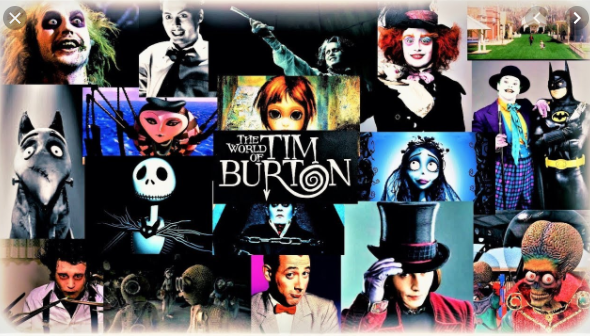
 Auteur Theory is defined as a director who uses film like a pen. He is the main creative force when it comes to the movie. Directors who are considered ‘auteurs’ have the creative ability to make feature films that are based on their own imagination, are part of their personalities, or which they find as a genuine interest (James). There are many directors who classify as auteur with their specific style and themes but Tim Burton is a very prominent one. Burton plays with dark themes in a childlike and innocent way and incorporates his beliefs and experiences. As a kid he spent a lot of time alone and was misunderstood (“Tim Burton”), so that’s why he incorporates the childlike aspect into everything he works on.

Tim Burton movies are easily identified by their similar visual styles and themes. Burton’s films usually have dark color schemes like in the movies The Corpse Bride from 2005 , and Nightmare Before Christmas from 1993. These movies mainly have different shades of blues, blacks, browns, etc. for the settings which illicit a creepy or dark feeling about it. To counteract the dark look and feeling the films are riddled with childlike innocence mainly instilled in the main character (“Tim Burton”). Victor, the main male in The Corpse Bride is an innocent and nervous guy who gets himself accidentally married to a dead woman but he remains kind and naive. Hidden under the innocence are more intense and darker themes like death, betrayal, and greed.  Both of these movies are also both stop-motion pictures which Burton makes a good amount of. They are also both musical. The 12 year gap between when these films were released shows that he keeps with the dark visuals and animations. 

He focuses on contrast in the look and message of his films. Some of his movies have brighter settings. The scenes and mise en scene work as a tool to exaggerate the theme and point of the film. The movie Edward Scissorhands starts in a dark, ominous looking castle with very little pops of color inside but a beautifully well-kept garden. Then moves to a very systematic neighborhood with over the top bright colors. Putting a character who is always seen in dark clothing and is very different from anyone else in the film helps show the importance of the contrast of how people see Edward, dark and scary, and how he really is, childlike and innocent. Burton is playing with the theme of peer pressure and conformity in this film, which contrasts to the bright fun colors of the scenes. Burton’s way of showing his theme by hiding serious and adult issues behind childlike actions and mise en scene is a trademark of his work. Contrast is a big part of his work. 

In his films that are not animated like Ed Wood from 1994 and Charlie and the Chocolate Factory from 2005 he still carries the same trademarks. Tim Burton films are known for having recurring actors like Johnny Depp and Helena Carter. For reference Depp has been in about 10 out of the 26 movies that Burton has directed and Carter has been in 8 so far. Burton also shows that he can work outside of horror, drama, and animation. 

Ed Wood is a bio-pic about Ed Wood who is said to be the worst director ever. Depp played the very childlike and naive Ed Wood who was different from others around him. This film played with the theme of conformity, again, and staying true to oneself. The contrast of the playful and hopeful Ed and the frustrated and pseudo supportive Dolores helps exaggerate how silly Ed really is.  The choice of making the film black and white helps enforce the theme by saying that not everything is black and white. The use of such a playful character to overcome such large obstacles really shows Burton’s signature on the film. Ed went through the pressure of liking to cross dress, the pressure of being a crappy director, the pressure of dealing with a friend and mentor using drugs, and the pressure of trying to make a movie. All of which are such intense and dark things. 

Tim Burton is an auteur. He leaves his mark on any movie he directs and truly uses the films to show his personality and his tastes. He uses innocence and playfulness to delve into intense and dark themes. Burton incorporates his  beliefs and values (“Tim Burton”).  He also works in many different types of films but always manages to keep the fantasy element and merge it into the film.

Work Cited

James, Samuel, and Samuel James. “The Beginner’s Guide: Tim Burton, Director.” Film Inquiry, 14 Apr. 2017, http://www.filminquiry.com/the-beginners-guide-tim-burton-director/.

“Tim Burton.” So The Theory Goes, 27 Mar. 2019, http://www.sothetheorygoes.com/auteur-tim-burton/.

How Rick Moranis Was a Type Cast Actor

The best type of actors/actresses are known as chameleons because they can adapt their acting to the movie role and play a various amount of different characters, such as actors like Johnny Depp who can go from Cry Baby to Captain Jack Sparrow, Another actor who fits in this category is Tom Hanks, he started out as a comedy actor and threw the 80s most of his movies were comedy but this actor is a chameleon because he did a lot of different genres and roles he can go from a movie like “Cast Away”, where he loses his mind to a movie where he is a prison guard in the movie “The Green Mile”, both of these movies share the genre of drama. Another type of actor is one who is a type cast actor, this is an actor who is generally known for a particular role or type of movie. An actor known for this is John Wayne if you needed a heroic cowboy this was the man to play the part. One of the most iconic actors known for type casting is Bela Lugosi, he is known for playing the role of Count Dracula time and time again. There are a few actors that get out of being a type cast actor by playing different roles, like Robin Williams did a lot of comedy but threw in serious type films so he didn’t become a type cast actor, Jim Carrey also did this by playing a role in “Cable Guy” a drama/mystery movie.

 An actor known for being a nerdy clumsy guy in every movie is Rick Moranis. Rick Moranis was a huge star in the 80’s in movies like “Ghostbusters” where he was an accountant, “Little Shop of Horrors” where he worked in a florist shop and found an alien species that looked like a plant that fed on human flesh and blood. and “Honey, I Shrunk the Kids” where he played an inventor that made a shrink ray. In all of these movies he played a clumsy nerd, and not just in these movies, he was also the nerdy guy in movies like “Little Giants” where he was the non-athletic little brother of the big shot guy in town, and makes a football team that is full of the ‘misfits’ in town where they face the ‘better’ team where the ‘misfits’ did not get picked to play.  and “Spaceballs” he plays dark helmet where he is ordered to kidnap Princess Vespa.

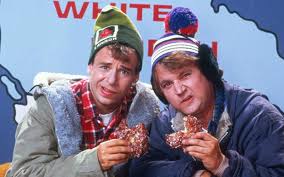
Rick started out on a Canadian comedy series “Second City Television” in 1980 when he joined the third season when he was persuaded by his friend Dave Thomas the writer and performer of SCTV. SCTV was a Canadian comedy series that aired from 1976 to 1984. Rick and Dave had to fill two minutes on the show so the created a sketch called “The Great White North” which featured the characters Bob and Doug McKenzie, a couple of Canadian buffoons. This Sketch was a huge hit and the show had the McKenzie’s sketch in every episode on SCTV. Bob and Doug became so huge that it led to a movie “Strange Brew” Ricks first major film role in 1983.

Image result for strange brew

    When he got into the Hollywood franchise he really became a type cast actor after being in big budget films like “Ghostbusters” and “Spaceballs”. Rick had a busy career throughout the 80’s with a lot of the feature films stated before and there sequels.  Then in 1997 he silently vanished ‘showbiz’ to take care of his two children after his wife died when cancer spread to her liver. He was never able to get out of being a type cast actor because he wasn’t able to play a different role other than a ‘clumsy nerd’ since he decided to become a stay at home dad.

He might have stopped being on the big screen but he did a little voice acting over the years. He was Rutt in the movie “Brother Bear” in 2003 and its sequel. He did a comedy album in 2013, “The Mother’s Brisket”. He still does get requested for movies but he wants nothing that doesn’t interest him. He was even asked to do a cameo in the new “Ghostbusters” movie but he turned it down. People still notice him and wonder what happened to him but Rick said he has no regrets for what he did and has had an amazing life.

Work Cited

Chameleons: Actors Who Can Play Any Part, https://www.msn.com/en-nz/entertainment/movies/chameleons-actors-who-can-play-any-part/ss-AAe90sB.

Parker, Ryan. “Rick Moranis Reveals Why He Turned Down ‘Ghostbusters’ Reboot: ‘It Makes No Sense to Me.’” The Hollywood Reporter, 24 Aug. 2016, https://www.hollywoodreporter.com/features/rick-moranis-reveals-why-he-829779.

Serafino, Jason. “The 10 Most Typecast Actors of All Time.” Complex, Complex, 1 June 2018, https://www.complex.com/pop-culture/2012/11/10-most-typecast-actors-of-all-time/.

“Rick Moranis.” Wikipedia, Wikimedia Foundation, 9 Nov. 2019, https://en.wikipedia.org/wiki/Rick_Moranis

Die Hard: A Christmas Classic

It is once again that time of year that holiday items are being brought out by retailers, decorations are being put up in and around houses, and radio stations are playing festive music that is either loved or hated by listeners. I’m speaking of course of the Christmas season. Besides these examples of what the Christmas season brings on, it also brings the onslaught of holiday movies, such as It’s a Wonderful Life, A Christmas Story, and National Lampoon’s Christmas Vacation. These are just a morsel of classic examples of Christmas narratives, and are accepted by most to be of that genre. One movie that sparks controversy among viewers as to whether it is a Christmas movie is or not is Die Hard, a film that since its release in 1988 has been the topic of debate on if it belongs to said genre. Although primarily an Action Thriller, Die Hard also clearly holds criteria to be considered a Christmas movie.

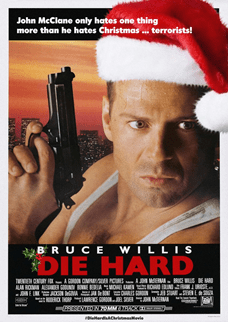
Although this isn’t the original poster, the edited Santa hat and mistletoe are viewers’ addons to their favorite Christmas movie

The movie opens with the protagonist John McCain arriving at an airport in Los Angeles. Not even two minutes into the movie, the stewardess on the plane says “…have a very Merry Christmas”, setting a tone for the rest of the film as the audience now knows that it is Christmas time. This statement is then followed by nondiegetic sleigh bells that can be heard in the score, and a straight cut to Mr. Takagi (the boss of the Nakatomi Corporation) wishing his employees a Merry Christmas at their company Christmas party on Christmas eve. These events take place in succession of each other, and only three minutes of the two-hour film have passed. After the festive remarks, Holly (John McCain’s wife) is asked to dinner by a coworker, which she turns down as it’s Christmas Eve, and lists off “…families, chestnuts… Rudolph and Frosty…” as to why she’s refusing. She also tells her secretary to stop working and remarks, “you’re making me feel like Ebenezer Scrooge”, yet another classic Christmas story. She also references Santa when her daughter asks if John will be home that night. These references, all right in the beginning of the film continue to set the tone, leading to the early conclusion that it can be classified as being of the Christmas genre. All of these references to the Christmas season take place in the first eighteen minutes of the movie before the hook occurs with Hans Gruber and his men overtaking the building occurs. Up to this point in the movie, it seems crazy to think that it isn’t a Christmas film as it is loaded with such references.

The audience can clearly hear the sleigh bells used in the score of the piece.

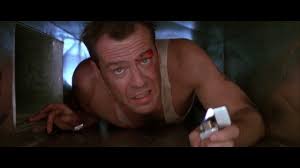
A typical viewer of Die Hard might say that after the hook of the movie the Christmas references stop as the rising action is taking place and guns and violence are taking the front seat. While it is true that the rising action is taking place and the Christmas vibes decrease to being peppered throughout the film, there are still instances in which one can connect the film to Christmas. For example, John enters and crawls through an air vent as means of escape from three assailants. Although he is crawling through metal ducts, it is similar to some Christmas film’s scenes of being in a chimney. Additionally, John’s wife’s first name is Holly, which if not looking for context might go over a viewer’s head, but when noticed it is another connecting factor to the Christmas theme. Even the terrorists themselves seem to be in the holiday spirit as Theo (the hacker) states “It was the night before Xmas, and all through the house, not a creature was stirring, except for the four assholes coming in the rear in standard 2 X 2 cover formation”. This of course is his way of telling his comrades that there were four SWAT members on their way to the building, but he decides to format it along the lines of Clement Clarke Moore’s A Visit from St. Nicholas, once again reminding the audience that it is a Christmas movie. Even Hans Gruber, the main villain states “It’s Christmas Theo, it’s the time of miracles, so be of good cheer…”. It’s pretty clear that is even the antagonists of a film are making references to the holiday season that it’s a Christmas movie, and not just a movie taking place during Christmas.

Image result for die hard
John McCain crawling through the air ducts, similar to chimney scenes.
Hans Gruber being in the spirit of Christmas in the midst of the heist.

The mise en scène throughout the film also contributes to the fact that Die Hard is a Christmas movie. We see John carrying a large teddy bear as a gift for his children, multiple Christmas Trees throughout the Nakatomi building and the police precinct, Santa Clause dolls on various desks, poinsettias pinned on shirts and in vases, and string lights on the trees outside of the building. These typical decorations were carefully selected and placed throughout the scenes as a reminder of the holiday in the midst of the gunfire. After killing the the first of the terrorists, John decides to send a message to the rest by putting a Santa hat on his corpse and writing “NOW I HAVE A MACHINE GUN HO-HO-HO”. The use of the Santa hat and the message on the sweatshirt point the film further into being marked as being of the Christmas genre. Towards the end of the film when John is trying to form a plan to take out Gruber and his remaining men, he spots a cart that has Christmas presents and packaging tape that says Seasons Greetings and has mistletoe on it. This tape is then used to “wrap” his Barretta 92F on his back for use against Gruber and one of his men. At the end of the film, the bearer bonds can be seen floating down from the 30th floor, and make it look as though it’s snowing in LA. These props throughout the film all point towards belonging to the genre of Christmas movie.

Image result for die hard gun taped to back
John’s Barretta 92F “wrapped” (taped” to his back with Christmas tape

The score of the film aids in pointing viewers in knowing that the film is a Christmas movie as well. As mentioned before, sleigh bells can be heard at the airport; however, this is not the only instance. If one pays close attention to the score of the film, sleigh bells are heard as John makes his way through the building and the terrorists go about what they’re doing throughout the whole movie. Sleigh bells are primarily used in Christmas music, meaning that Michael Kamen (the composer of the score) was attempting to keep a Christmas vibe throughout the action. Diegetically, Argyle (John’s limo driver) playing “Christmas in Hollis” by Run DMC, John whistling “Jingle Bells”, and Sgt. Al Powell singing “Let It Snow” as he’s walking to his car all are examples of the characters themselves being in the Christmas spirit. Additionally, when the terrorists are entering the building, an ominous version “Ode to Joy” accompanies them, revealing their sinister nature to be pulling the heist on Christmas Eve. The song then plays again in its original symphonic form when the safe is opened due to the happiness it brings to Hans. As the film ends and the credits begin to roll, “Let it Snow” plays as a final reminder that the movie is of the Christmas genre.

At 1:30 Run DMC’s “Christmas in Hollis” plays

It should be very clear that although it won’t come up along with Action and Thriller as a genre of the film, Die Hard is clearly a Christmas movie. The movie is played along with all the other Christmas movies during the season and has more than enough evidence to back the claim up throughout the film to classify it as one of the Christmas genres. There are probably some that will say it merely taking place on Christmas Eve doesn’t make it a Christmas movie, however, there is a plethora of evidence that says otherwise. Whether or not one wants to accept it, the fact is that Die Hard is a Christmas movie will remain, and will continue to be aired alongside Rudolph, The Grinch, and all the other Christmas classics.


Works Cited:

http://www.imfdb.org/wiki/Die_Hard

https://www.imsdb.com/scripts/Die-Hard.html