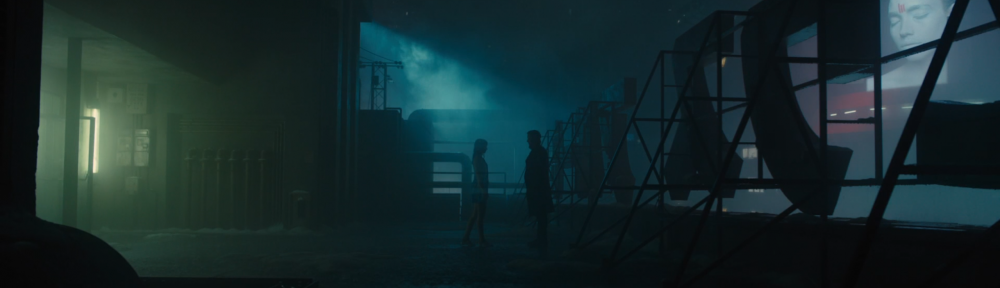
Is something evil going on? By: Rosie Borquez
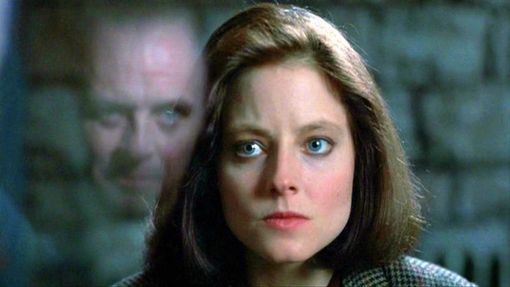
Psychological Thrillers are popular among audiences because they promise one thing, a compelling sinister story that is sure to stick with you. A psychological thriller is different than that of a horror movie due to its focus on the psychological states of the characters. A psychological thriller can be identified by many things extreme close ups being one of the most noticeable factors. We see this in many films as the shot goes from a long shot to a close up shot; the scene is felt chilling and even in silence the scene says a lot. We see this in The Silence of the Lambs(1991) directed by Johnathan Demme, when Claurice speaks with Dr. Hannibal Lecter, in an attempt to catch another serial killer, most of their interactions are seen in these intense close up shots. Two people completely opposite on paper, carry on a conversation so entangled in metaphors, so chilling in truth it’s hard not to pay attention. This is what a psychological Thriller does, in an attempt to insert a metaphor, “it sucks you down a rabbit hole”.
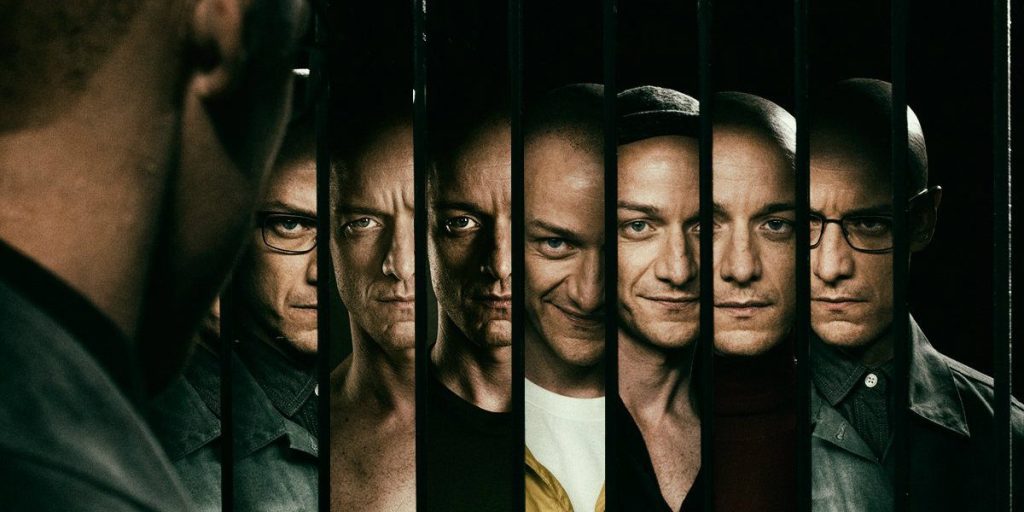
Another distinguishing characteristic in Psychological thrillers is the lighting, low key lighting being the most typically used in Psychological thrillers. This is done in an attempt to crate this dark and mysterious senseful setting. This is depicted in Split (2017), a film directed and produced by M. Night Shyamalan, one of many works that hold a home in the Psychological thriller category. This film is a sequel to the 2000 film Unbreakable, also directed by M. Night Shyamalan. In the ending scene of this film, we follow Casey, one of three girls kidnapped by Kevin Wendell Crumb, a man with 24 different personalities, escape as the worst of the 24 referred to as the monster chasses her down a dark corridor. This scene is a very vivid example of low-key lighting as there is an emphasis on the dark shadows that create a scene of fear. The low-key lighting adds to the chilling sounds we hear and see. In this scene, there is also a close-up shot that may just give one reason to keep the lights on.
Psychological thrillers are meant to unsettle us, scare us, maybe even add a cringing effect for some, but that is what makes them so appealing. After all this film is part of a trilogy; people kept paying to watch discomforting material. This is the implied agreement that exist between the audience and the film maker. It is the unspoken social contract that exist in the bylines of the tickets purchased for a film like Split or The Silence of the Lambs. Unsettle me or Refund me ! Although, there is very little to contemplate, chances are if you’re watching a film that is a psychological thriller, you are almost sure to be disturbed, spill your popcorn and mutter WT% under your breath.
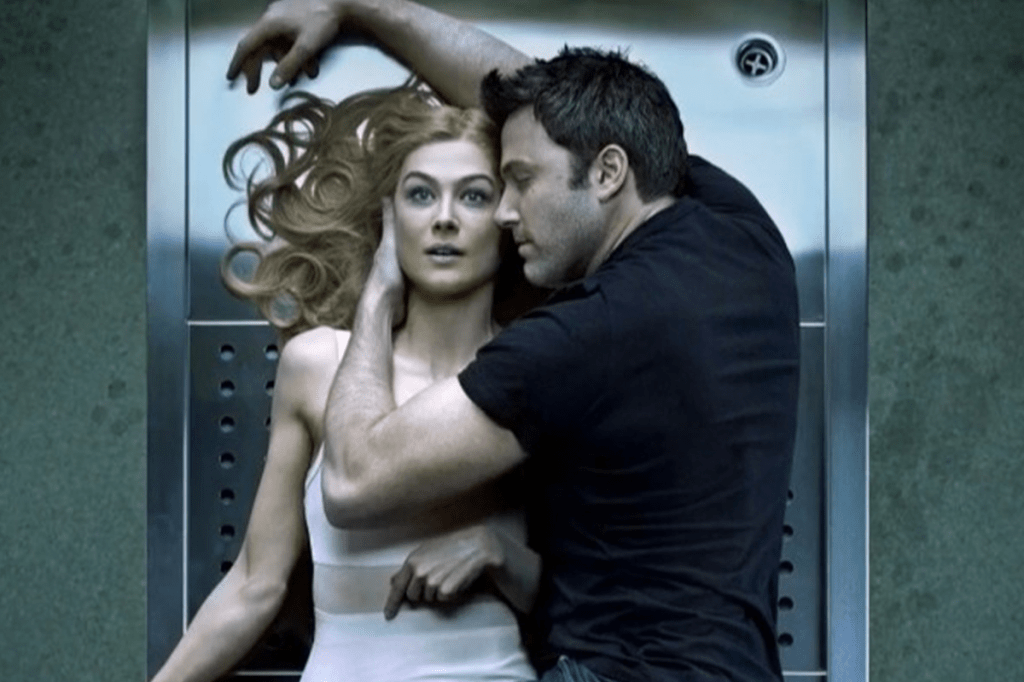
Films like Split (2017), The Silence of the Lambs (1991), and Gone Girl (2014) belong to this genre due to its emphasis on the unstable characters that are perceived as “insane”. Psychological Thrillers incorporate this sense of mystery, horror and drama but focuses on the psychological aspects. For example, The Silence of the Lambs (1991) focuses on Dr. Hannibal Lecter who is ironically a psychiatrist turned serial killer. In Split (2017) there is a focus on Wendell Crumb, who has 24 different personalities that appear throughout the film; and then there’s Gone Girl (2014) directed by David Flincher, a film which focuses on the very disturbing rationality of a scorn woman. From the outside world, her marriage seems blissful her life appearing seemingly normal, but for lack of a better analogy, Amy is “psycho”. After she murders a man she returns home after having beaten herself up and assumes a story of a damsel in distress. Her husband was being investigated for her murder which she framed him for and she returns having had run out of options and money. She concocted a story suggesting she had been held against her will, raped and abused. This film emphasizes the suspenseful psychological process of an insane woman. These films perfectly define and demonstrate what a Psychological Thriller is.
Editing also plays a huge role in Psychological thrillers, in Gone Girl (2014), we see a lot of dissolves which is meant to emphasize time elapsed as we are watching a film in past and present. In Split (2017) we see a lot of fast cuts, which is done in an attempt to heighten the sense of fear in a scene felt by the audience. Sound also has an effect, many psychological thrillers do well in only adding sound when needed, the silence in the room when Dr. Hannibal Lecter and Claurice are speaking send chills down your spine that the adding of music in the scene would ruin. We see this in Split (2017), when Casey and Wendell Crumb’s 24th personality are speaking it is at first silent and then ever so naturally as he refrains from killing her and says, “your heart is pure” the music is heard and he falls back into the dark and out of frame.
If you take away the acting in these films, you are left with the mise-en- scene, the lighting, the editing and the sound. These are giveaways to the kind of film you are watching, these styles are also reflected in horror movies, but I guarantee you are sure to point out a psychological thriller from a Horror film.
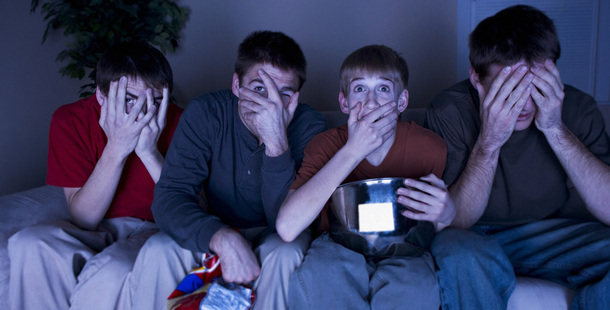
Psychological thrillers are the kind of films you watch with your hands; they cover your eyes, your mouth and hold your head; but there is hardly regret in watching the films that belong to this genre. It aims to disturb, but I’ve always wondered, what is indeed more disturbing, these films or people who make them?
Works Cited:
https://www.rottentomatoes.com/m/gone_girl
https://www.psychologytoday.com/us/blog/reel-therapy/201702/split-horror-side-split-personality
 Introduction to Film Studies - Fall 2019