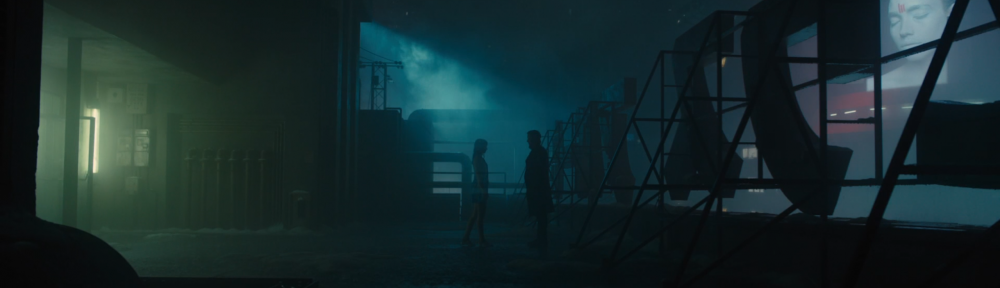
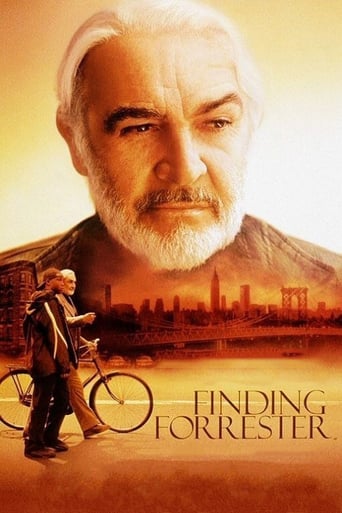
” In an ordinary place, he found the one person to make his life extraordinary.” (Tagline)
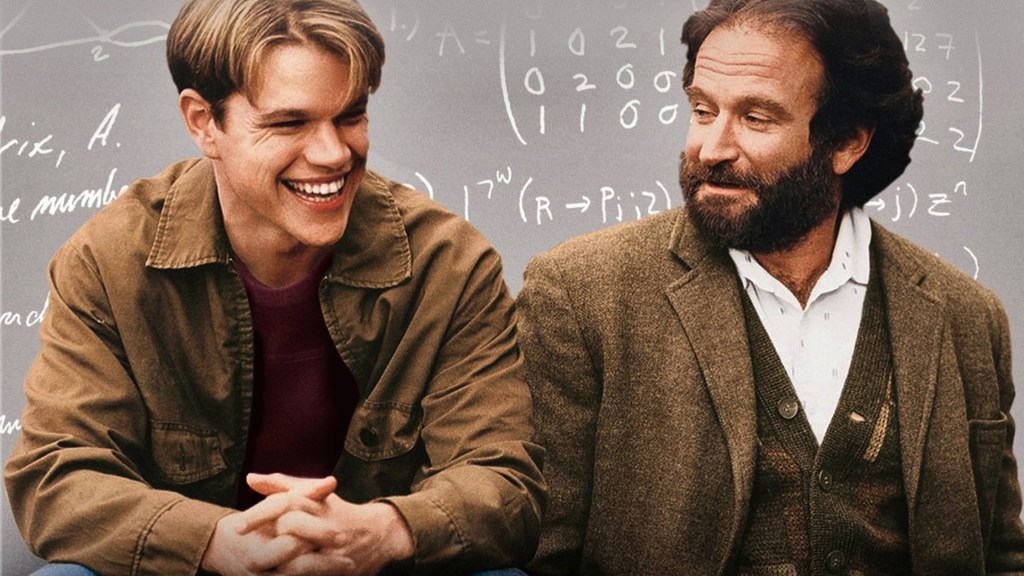
Of all the various genres found in cinema, the broadest is drama. From melodramas to tragedies, star crossed romances to crime reenactments, numerous films could be labeled as a type of sub-genre to drama. In 2001 Gus Van Sant, a film director and writer known for his various works in this genre, released Finding Forrester. Similar to Van Sant’s previous work Good Will Hunting, Finding Forrester feature a young man full of potential tasked with making a life changing decision. Both films include a wise older mentor, who guides the protagonist throughout the film. While both are considered drama films, the plots differ in resolution and theme. But why does Finding Forrester classify as a drama? To answer, we must first define drama in film.
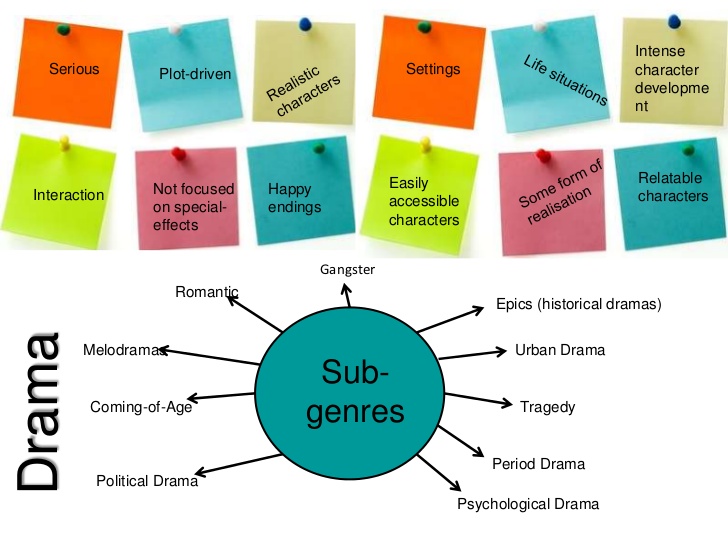
Drama is the realistic portal of characters in conflict with either themselves, others, or forces of nature in life situations (filmorg). As a genre drama has some of the most diverse themes, covering topics such as social injustices, drug addiction, mental illness, and social roles to name a few. However, the plot elements of a drama typically remain the same. To begin with dramas are set in realistic times and places, and focus on realistic issues. A story set in a galaxy far far away or at an enchanted school would not be considered a drama. Typically, the main character is relatable or sympathetic to the film’s target audience. Think of Karate Kid protagonist Daniel LaRusso, who moves far from home only to be labeled an outcast and bullied. Most importantly, dramas show the main character at their emotional highs and lows as he or she tries to make an important decision, or overcome a critical issue. At its core drama is a genre focused on showing what it means to be human: how everyday people overcome adversity in various forms.
The opening credits of Finding Forrester establish both the setting and theme of the film. The first scene opens with a medium wide shot of a young man rapping over the song “Coffaro’s Theme” by Bill Frisell Quartet. As he sings the camera cuts thirteen times to places throughout the Bronx, New York City. The movie is blunt and honest in its portray of the neighborhood, showing vandalized buildings, dilapidated homes, and a giant sign in the shape of a hand motioning to stop, or go back. However while the setting seems bleak, it is the people who most stand out in these brief shots. A boy walking home with a single bag of groceries, two women laughing with the skyline in the background, a father spraying his sons with a water bottle to cool off in the summer heat. People living their lives as best they can, and finding happiness along the way. Within the first three minutes of the film audiences understand that Finding Forrester is set in 2000s New York, and can infer that the film will be incorporating themes of social inequality. The last shot in the opening credits gives audiences their first impression of Jamal Wallace, the film’s protagonist. Here, the camera pans up on a stack of well-read books containing biographies of famous writers. Within the first few minutes of the film the tone and themes of Finding Forrester are established in a realistic time and place, checking off our first criteria for a drama film.
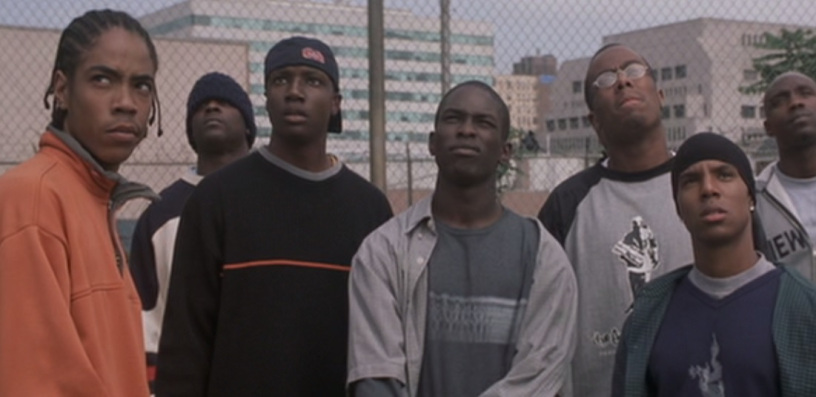
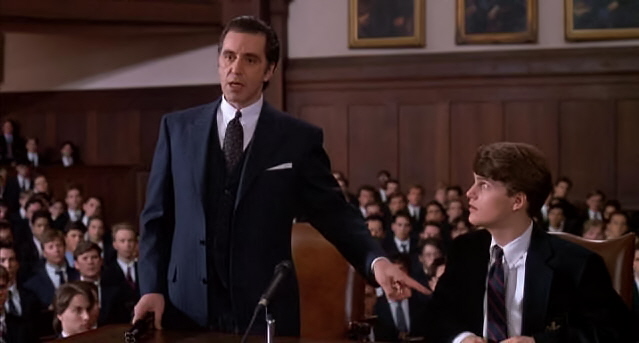
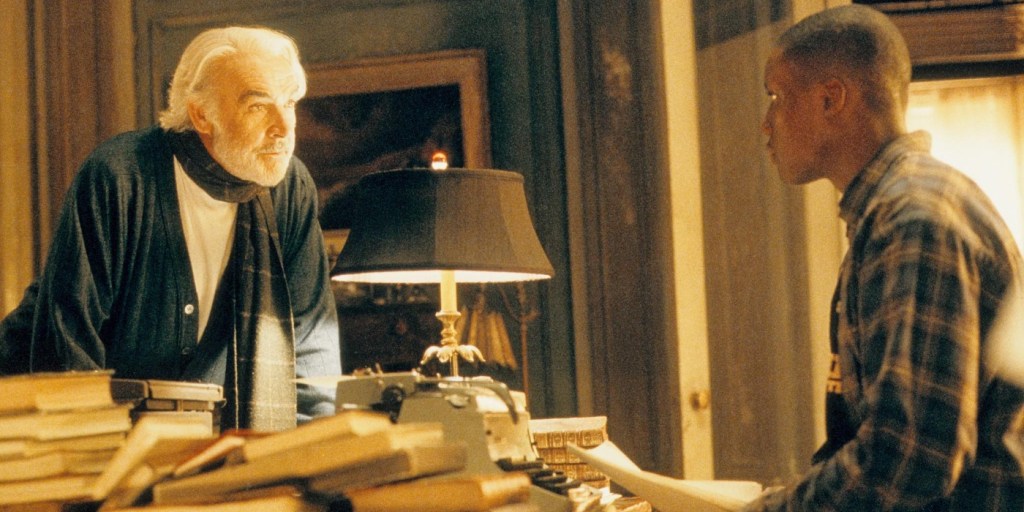
Like many of Van Sant’s films Finding Forrester stars two brilliant but isolated main characters. Jamal Wallace (staring Rob Brown in his first performance) is a sixteen year old writing prodigy who hides his talent and love for literature from his friends and classmates. Instead Jamal practices basket, as that is where he feels he will be most excepted in society. One night, Jamal’s friends dare him to sneak into the apartment of “The Window”, the home of an old man who has become an urban legend on their block. Jamal climbs up to the apartment and gets distracted by the numerous books he finds there. The ‘hook’ of the narrative happens when Jamal, having been startled by the homeowner, flees the room but leaves his backpack along with his writing notebooks behind. The next day Jamal finds that his bag has been returned, but all of his writing has been critiqued. This starts his relationship William Forrester (played by Sir Sean Connery), the reclusive old man from the apartment who begins to mentor Jamal in his writing. It is later discovered that Forrester is a famous author, having published only one book that was considered by many critics to be ‘the greatest book of all time’. Bitter, sharp tongued, and an alcoholic, Forrester seems to resent his fame and has lived in hiding for over fifty years. Jamal’s promise and naivety matched with Forrester’s cynical attitude but vast life experience has been compared to other mentor-student relationships in film, such as that of Charlie and The Cornell in Scent of a Woman. In both films the duo develop a close, almost father-son relationship over time. Both characters are incredibly relatable. This is shown through scenes of Jamal struggling to find where he most wants to be excepted, for his talent as a writer or his value as a skilled basket ball player. Forrester on the other hand battles against his past regrets, having lost his older brother not long after the release of his book due to an accident that Forrester blames himself for. Younger viewers can relate to Jamal’s struggles and fears of the future as he battles to find acceptance and his own self worth, while more mature audiences can empathize with Forrester’s regrets.

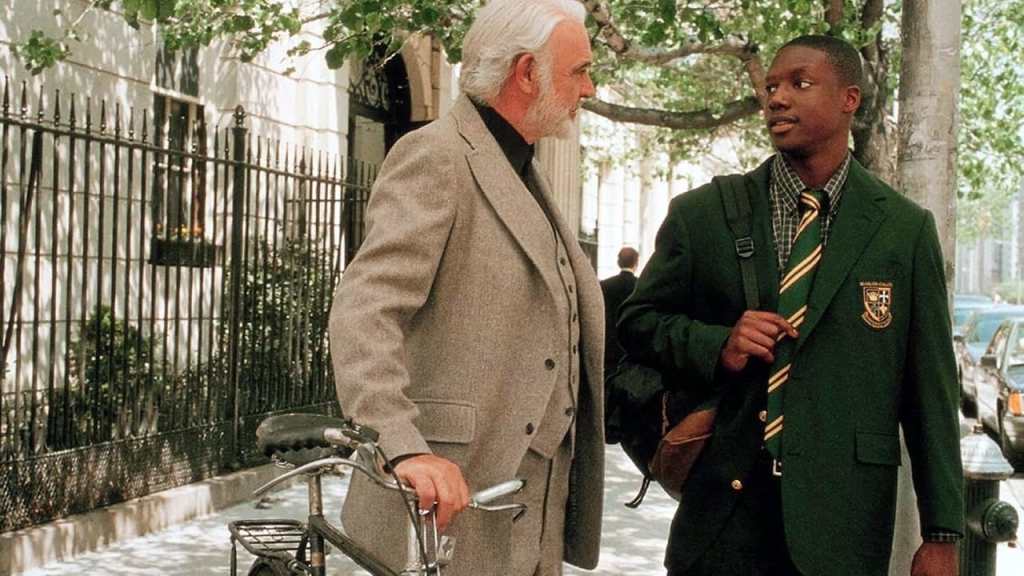
The most promenat feature that can be found in any film drama not mater the sub-genre, is having the protagonist come to an important (often life changing) decision. The decision Jamal must face is what he wants to be most valued for—his skills as a basketball player, or his talent for writing. Jamal first reaches this crossroad when he is offered a scholarship at a prestigious prep-school early in the film. While the school accepts him for his outstanding test scores, they also push him to take a spot on the basketball team. The stakes are raised by the fact that Jamal’s English teacher Mr. Crawford (starring F. Murray Abraham) refuses to acknowledge Jamal’s intellect, stereotyping Jamal as just ‘a black basketball player from the Bronx’. After Jamal humiliates Crawford in front of his class, Crawford threatens to have Jamal expelled once it is discovered that a piece of Jamal’s writing shares the opening paragraph of one of Forrester’s works. The board of directors gives Jamal a choice—if he can win the championship game, they’ll let the whole thing disappear. With only seconds left during the championship game, Jamal makes his choice: he intentionally misses the last two shots, throwing the game. The next day Jamal sits at the school hearing, refusing to be intimidated anymore by Crawford or the Board. He states, “It’s still my school man. If they want me out, they have to do it themselves.” Something that stands out in this scene is Jamal’s attire. For the first time in the film we see him dressed completely in the school’s uniform. This detail shows that Jamal has finally picked his own path—he has chosen he values writing more than the praise he’s received from basketball, even if others refuse to acknowledge his true talent. Jamal comes to the conclusion that he decides his own self-worth—a powerful and inspiring message for audiences of all ages.
Drama is considered the broadest of all genres due to its various sub-genres and themes. Finding Forrester could fit under numerous drama categories, including a social drama, coming of age, and student-mentor film. However, every drama film includes three key elements: a realistic setting, relatable characters, and a plot centered around an important decision. While Finding Forrester and Good Will Hunting both feature young prodigies, the protagonist each come to a different decision about their future—Jamal choices to grow his talent, while Will decides that love is more important to him than any fame he could receive in academics. While both films incorporate different themes, each a worthy addition to the ever growing film drama.
Cited Sources
https://www.filmsite.org/dramafilms.html
https://www.rottentomatoes.com/m/finding_forrester/
https://www.imdb.com/title/tt0181536/
https://thescriptlab.com/screenplay/genre/952-drama/
https://prezi.com/rb5k_semwcvg/drama-as-a-genre-codes-and-conventions/
 Introduction to Film Studies - Fall 2019